

By Mellisa Genfi
“If you control the code, you control the world. This is the future that awaits us.” – Marc Goodman
Table of Contents
- Introduction
- The Job Market in the Next 5-10 years for Gen-Alpha
- What are the Advantages of Introducing Their Child to Technology Early
- Representation Within the Tech Industry
- Introduction to New Story: Makeda Goes Into Tech
- Tech Careers to Look into:
- AI Engineer
- Data Scientist
- Machine Learning Specialist
- Cloud Engineer
- DevOps Engineer
- Cyber Security Analyst
- Blockchain Developer
- Robotics Engineer
- IoT Engineer
- UX/UI User Experience & User Interface Designer
- Conclusion
Introduction

Technology is changing society and the way we work, the world we live in is changing rapidly before our eyes. Industries are being disrupted by new technology such as AI which can automate repetitive tasks. What does this mean for our children? Preparing your child early for a future in tech might be the most important decision and possibly the smartest investment parents can make in this new technological world.
The Job market In The Next 5 -10 Years for Gen- Alpha
Fair Use for Educational Purpose Only
Children born between 2010 – 2024 Generation Alpha will enter the workforce in a fast-paced, technology-driven environment.
A child that was born in 2010 will turn 20 in 2030, entering the workforce which is very different from the traditional 9-5 role that many of us are familiar with. Generation Alpha is expected to be more involved in the new gig economy, which is mostly contract or freelance roles working on projects for different types of clients. Technology has empowered Generation Alpha to have more of an entrepreneurial mindset, supporting causes and creating businesses that are meaningful to them.
What Are the Advantages of Introducing Children to Technology Early?
According to Twin Science, introducing young people to technology helps them develop core skills such as early literacy, numeracy and critical thinking. https://www.twinscience.com/en/blog/benefits-of-technology-to-students/
Developing balanced engagement can aid in reducing screen time for parents who are worried about their child’s excessive use of technology. A 30-minute daily timer can be used while your child is learning to code. You must protect your child’s online activities while they are learning to code or browsing the internet.
Representation within the Tech Industry Image by Freepik
According to Tech Talent Charter Diversity in Tech Report, only 4% of the UK’s Tech talent identifies as black. Mckinsey & Company has also researched the same issue with statistics showing that in 2023 only 8% Tech employees are Black Americans in the U.S. If Black parents notice that their child is interested in technology and wants to work in the tech field in the future, they should look into companies that develop programs through internships and mentoring, black students are encouraged to pursue careers in technology and gain knowledge of the field. Your child will feel more confident to pursue the field when they examine and learn about the contributions made by people who look like them. Researching Black technological (STEM) past figures such as Gladys West, Valerie Thomas, Jerry Lawson, Roy Clay Sr and present figures such as Delane Parnell and Kimberly Bryant, feel free to investigate more Black technological figures that your child resonates with.
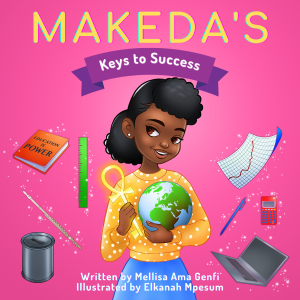
Intro to New Story : Makeda Goes Into Tech (Age 7+)

What if one summer work experience project could change the future of a continent?
When Makeda joins her dad’s thriving software company for a two-week work experience adventure, she thought making coffee and tea, answering emails, and coding tasks to help the team to design solutions would be the norm. However Makeda’s dad has a surprise in store for her, a real project that she can call her own!
Makeda loves all things tech and is determined to foresee a successful project, Makeda thinks maybe she can create a simple new app or a website for her dad’s software company.
However while Makeda researches she finds something far more bigger than she imagined. From Namibia to Burkina Faso, from Guinea to Kenya, the African continent has one of the largest youth populations in the world, she discovers how technology can transform the lives of these young people in Africa.
As Makeda connects the dots of the youthful population and innovative technology being used by them, she realises her work experience project isn’t only to tick the box for school, but a role she could play in shaping the future where technology can create millions of opportunities for the young people in the continent of Africa.
Can Makeda’s idea spark change big enough to change the whole continent? Find out soon!
Love stories with Technology themes that will inspire the next generation?
Click links below for our great stories:
https://lovemestories.com/product/makedas-keys-to-success-sliver-wholesale-package/
Tech Careers to Look Into
Check out the best future tech jobs that Love Me Stories believes parents should keep an eye on. According to WEF (World Economic Forum) some of the tech jobs below will be on the rise by 2030
AI Engineer
 Image by DC Studio
An AI Engineer is responsible for building systems to become intelligent and develop algorithms. Improvements in algorithms allow machines to perform tasks like image processing and speech recognition that previously required human intelligence.
The key responsibilities will be to:
- Design AI models and algorithms from its early inception.
- Incorporate AI solutions into current business systems.
One example of what an AI engineer’s job might entail within a company is creating algorithms that suggest content for you to watch, platforms such as Netflix recommend content to their customers because of the customers past viewing habits.
Industries that AI Engineer job roles will be mostly needed: Technology, Manufacturing, Retail, Healthcare sectors.
Growth by 2030: According to the Bureau of Labor Statistics, by 2030, the career growth of artificial intelligence experts is expected to be a minimum of 31.4%
Average salary: According to National Careers Service the salary of an AI Engineer is between £35,000 – £75,000 annually.
Potential Businesses that an AI Engineer can start:
- AI Based Chatbot Services
- AI Consulting Services
How to Prepare your Child:
- STEM subjects, consider educational resources for kids aspiring to work in AI Professions Click Here: https://lovemestories.com/product/makedas-ai-engineer-career-affirmations-poster-physical-print-a3/
- Books to consider The Little AI Engineer: Learning about Artificial Intelligence (AI) by Veronica Rose.
Projects your child can do: Create your own chatbot.
Courses and online activities to do:
- Create-Learn (US) AI Explorers – Introduction
- Funtech: AI & Machine Learning
- Kids Code AI: Artificial Intelligence and Machine Learning Course
Career Path in Higher Education Bachelor’s Degrees in:
- Computer Science (BSc)
- Data Science (BSc)
Certifications:
- IBM AI Engineering Professional Certificate
21st century soft skills & Technical skills: Analytical, Adaptable, Critical Thinking, Communication, Collaboration, Creative and a Problem Solver.
Data Scientist
A Data Scientist analyses and extracts large amounts of data from different sources. The data extracted helps the data scientist provide insights and predictions for the business.
An example of how a data scientist is required by an organization like Amazon Web Services to collect customer data including demographics, past purchases, website activity and many other types of information. This data will then be transformed and analysed in an easily comprehensible manner.
Industries that Data Scientists are mostly needed: Media and Entertainment, Digital Marketing, Telecommunications, Healthcare and Cybersecurity sectors.
Average Salary: According to Glassdoor the starting salary of a Data Scientist is £39,000 – £63,000 annually.
Growth by 2030: According to Vocal Media aspiring data scientists ask if data scientists will be in demand by 2030, it is believed with innovative data solutions the value of data science will grow significantly.
Potential Businesses that a Data Scientist can start:
- Data Analytics Consulting Services
How to prepare your child:
- Mathematics, Science and English (STEM).
- Data Scientist Career Poster click here: https://lovemestories.com/product/makedas-data-scientist-affirmations-poster-physical-print-a4/
- https://bit.ly/46QwF0E
- Books to consider: Data Made For Kids: An Illustrative Guide to Learn Data Science with Interactive Activities by Devshree Golecha and Kiara Golecha
Projects your child can do: Analyse data of favourite things i.e favourite games
Courses and online activities to do:
- Coginal: Learn Data Science Course for kids
- Logiscool: Basics of AI and Data Science course
- Learn programming languages such as Python
Career Path in Higher Education Bachelor’s Degrees:
- Mathematics (BSc)
- Computer Science (BSc)
- Statistics (BSc)
Certifications:
- CAP (Certified Analytics Professional)
- IBM Data Science Professional Certificate
- Google Data Analytics Professional Certificate
- SAS Certified Data Scientist
21st century soft skills & Technical skills: Communication, Collaboration, Critical Thinking, Data Visualisation, Machine Learning and many more
Machine Learning Specialist
A Machine Learning Specialist develops algorithms that are able to learn or adapt to data to make future predictions. Machine Learning is a branch of AI (Artificial Intelligence) which concentrates on the use of data and algorithms that emulates how humans learn. According to wordstream Yelp uses Machine Learning to build a model Machine learning algorithms helping company staff assemble, group and label images more effectively especially if there are millions of photos to deal with.
Industries where Machine Learning Specialists are mostly used: Healthcare, Fintech, Logistics and Transportation, Travel & Hospitality, Retail and Ecommerce sectors.
Average Salary: According to Morgan McKinley the estimated starting salary is from £65,000 to £75,000 annually.
Growth by 2030: The UK Parliament states that Machine Learning is the top 10 jobs expected to grow fast between 2023 and 2027 and will continue to grow.
Potential Businesses Machine Learning Specialists Can Create:
- AI Implementation and Strategy Consultancy Services
- Sell AI powered tools
How to prepare your child:
- Mathematics and Science (STEM)
- Books to consider: “Automate the Boring Stuff with Python” by Al Sweigart.
Projects your child can do: Training your computer to sort out family photos
Courses and online activities to do:
- Kidz Code AI: Artificial Intelligence
- Funtech: AI & Machine Learning
Career Path in Higher Education Bachelor’s Degrees:
- Computer Science (BSc)
- Mathematics (BSc)
Certifications:
- AWS Certified Machine Learning Speciality
- Google Cloud Certified- Machine Learning Engineer
21st century soft skills & Technical skills: Problem solving, Communication, Adaptability, Collaboration, ML Frameworks, Prompt Engineering, Deep Learning.
Cloud Engineer
An IT specialist who creates and manages cloud infrastructure is known as a cloud engineer. Cloud engineers are IT professionals who design, develop and oversee cloud services and infrastructure.
Instead of using hardware, customers can use cloud computing to access storage from distant servers via the internet. Netflix for example is a streaming service that is used by customers through the cloud.
Industries where Cloud Engineers are mostly used: Technology, Financial Services, Healthcare, Manufacturing, Education, Entertainment, Real Estate and many more sectors.
Growth by 2030: According to Goldman Sachs cloud computing sales are expected to rise by $2 trillion by the end of the decade. Cloud engineers will have even more career options as a result of this market’s explosive growth.
Potential businesses that cloud engineers can create:
- Cloud Consulting Firms
- Cloud Development Agencies
- Cloud Based Software
How to prepare your child:
- STEM Subjects
- Books to consider: Explain Cloud Like I’m 10 by Todd Hoff
- 97 Things Every Cloud Engineer Should Know: Collective Wisdom From the Experts by Emily Freeman
Projects Your Child Can Do: Utilise cloud-based platforms to host a website.
Courses and online activities:
- Software Academy courses
- Bright Champs in Collaboration with Harvard online coding and STEM Classes
Career Path in Higher Education Bachelor’s Degrees:
- Computer Science (BSc)
- Information Technology (BSc)
Certifications:
- Cloud Engineer Professional Certificate: Google Cloud Certification
- Associate Cloud Engineer: Google Cloud Certification
21st century soft skills & Technical skills: Collaboration, Communication, Problem-Solving, Cloud Computing, Cloud Engineering, Cloud Management, Kubernetes, Automation, Computer Networking and DevOps
DevOps Engineer
DevOps engineers serve as a liaison between IT operations and software developers. Their main goals are task automation, enhancing teamwork and making sure systems function properly.
Industries where DevOps Engineer mostly used: Fintech, Telecommunications, E-commerce, Technology, Insurance, Real Estate
Average Salary: According to Glassdoor The estimated total pay for a Devops Engineer is £52,883 annually, with an average salary of £49,540 per year.
Growth by 2030: Due to the growing need for automation and quicker software delivery, the position of DevOps engineer is anticipated to grow significantly over the next several years. 95% of new digital workloads will be cloud-native by 2030 according to Gartner a global research advisory firm.
Potential Businesses that DevOps Engineers can create:
- DevOps Training and Education Business
- DevOps Consulting
- Social Media Automation
- Cloud Infrastructure Management
How to prepare your child:
- Science, Maths (STEM)
- Learn programming languages such as Python
- Program with scratch.
- Books to consider: DevOps For Babies (Cookie Books for Babies) by Tim Cogan
Projects your child can do: Building a collection of Bash scripts to automate routine administrative duties.
Courses and online activities to do:
- Coco Coders Coding courses
- Software Academy Coding courses
Career Path in Higher Education Bachelor’s Degrees:
- Software Engineering (BSc)
- Information Technology (BSc)
- Computer Science (BSc)
Certifications:
- IBM’s Introduction to DevOps course
- Introduction to Linux System Administration with IBM Power Systems
- IBM DevOps and Software Engineering
- Microsoft Certified: Azure Administrator Associate
- Microsoft Certified: Azure Developer Associate
- CompTIA Security+
21st century soft skills & Technical Skills: Communication, Collaboration, Cloud skills, Coding, Automation, Scripting, Continuous Integration.
Cyber Security Analyst
 Image by Freepik
A cybersecurity analyst is vital for safeguarding computer networks and data against digital threats such as malware and hacking. They constantly oversee networks, identify weaknesses, and react to security events to maintain the safety of confidential information.
Industries where Cyber Security Analysts are mostly used: Cyber Security Analysts are the Financial, Government, Healthcare and Technology sectors.
Average Salary: According to Talent.com the average salary of a cyber security analyst in the UK is £54,829 annually.
Growth by 2030: According to G6S Security, the global cybersecurity market is anticipated to hit $500.70 billion by the year 2030, based on recent estimates from Grand View Research Inc. According to the analysts growing cyberthreats and sophisticated malware risks that affect multiple industries will drive the global markets growth.
Potential Businesses a Cyber Security Analyst can create:
- Security Audits
- Employee Training and Awareness Program
- Develop Threat Detective Systems
- Network Security Services
How to prepare your child: Maths, Science (Physics), English Computer Science subjects. Books to consider: Little Hackers by Julie Darling, Staying Safe Online by Louie Stowell
Projects your child can do: Create strong passwords and spot fake news
Courses and online activities:
- British Youth International College: Cyber Security Program for Youth
- Itpt: Cyber Security courses for kids
- Google: Be Internet Awesome,
- IBM SkillsBuild for Students – Cybersecurity Path
- JetLearn’s Cybersecurity & AI Pathwa,
- Create & Learn – Cybersecurity for Kids
Career Path in Higher Education Bachelor’s Degrees:
- Cybersecurity (BSc)
- Computer Science (BSc)
- Information Technology (BSc)
Certifications:
- CompTIA Security+
- Certified Ethical Hacker (CEH)
- Certified Information Systems Security Professional (CISSP)
21st century soft skills & technical skills: Communication, Critical Thinking, Collaboration, Risk Management, Scripting with Python, Cloud, Operating Systems, Networking and System Administration.
Blockchain Developer
 Image by Freepik
Blockchain Developers are creators of distributed safe systems, and manage blockchain-based applications. These experts are in charge of developing and managing decentralized applications (DApps) smart contracts and blockchain systems. To make sure transactions are safe, open and effective they employ a variety of blockchain technologies. Blockchain technology mostly creates decentralized solutions.
An example of the tasks Blockchain Developer does within a company such as Cash App which allows users to buy, sell, send, and receive Bitcoin.
- Implement the wallet infrastructure.
- Ensuring users’ crypto is securely stored and transferred.
Industries where Blockchain Developers are mostly used: Technology, Finance, Gaming sectors
Average Salary: According to Glassdoor the average salary of a Blockchain Developer is around £59,182 annually. Experienced Blockchain Developers who are freelancers can earn between £82,000 – £114,000 annually.
Growth by 2030: According to Globe Newswire By 2030 the global blockchain market is expected to reach $306 billion, expanding at a compound annual growth rate (CAGR) of 58%. Due to the adoption of hybrid blockchain fintech advancements and AI-IoT integration.
Potential Businesses that Blockchain Developers can create:
- Blockchain Development Agency
- Smart Contract Development
- Blockchain API and Supply Chain Management Solutions
How to prepare your child:
- Maths and Computer Science
- Programming languages: Java, Python Golang
- Books to consider: Blockchain for Kids, Teens, Adults, and Dummies: Introduction to Crypto Investing and Blockchain Technology in Simple Words by Sweet Smart Books
Diversity Books with blockchain themes: President of The United States of Africa Vol.1 click here: https://amzn.to/4aB3YqQ
Project ideas for your child: Create voting system with blockchain technology.
Courses and online activities:
- Udemy course blockchain for kids
- Outschool online course: cryptocurrency classes for kids and teens
- IBM Skills Build Blockchain Free Learning Resources: https://skillsbuild.org/students/course-catalog/blockchain
Career Path in Higher Education Bachelor’s & Master’s Degrees:
- Computer Science (BSc)
- Software Engineering (BSc) (MEng)
- Mathematics (BSc)
- Finance (BSc)
- Cryptography (MSc)
Certifications:
- Blockchain council.org: certified blockchain developer course
- Insead beginner level introduction to Blockchain Technologies
21st century soft skills & Technical skills: Collaboration, Analytical Skills. Technical Skills: Blockchain basics, Cryptography, Data Structure,
Full-Stack Developer
A Full-Stack Developer is someone who can build both the “front-end” (what users see and interact with) and the “back-end” (the server-side logic and databases) of a website or application. Job tasks Full Stack Developers create:
- the front-end product listing pages for e-commerce platforms.
- API’s are also created to handle cart and order processing at the back end.
Industries where Full-Stack Developers are mostly used: E-commerce, Entertainment, Finance, Software Publishers, Education sectors.
Average Salary: According to Indeed the average base salary for a Full Stack Developer is £52,698 annually.
Growth by 2030: According to Interview Kickstart The growth of e-commerce and newer technologies like AI, IoT, Metaverse, Blockchain, etc, are driving demand for web development and, in turn, full stack developers. As these technologies become more widely adopted, the demand for full stack developers will only continue to grow in the years to come, to help companies make their businesses more responsive and competitive. Greater job availability and opportunities will come from these enhancing prospects for a thriving career.
Potential Businesses Full Stack Developers can create:
- Web Software Development
- Saas Business
- E-Commerce Platforms
How to prepare your child:
- Maths: Algebra,
- I.T programming languages such as Python, Javascript.
- Web development,
- Science: Physics,
- Art & Design.
- Books to consider Coding for Kids Ages 9-15: Simple HTML, CSS and JavaScript lessons to get you started with Programming from Scratch (Coding for Absolute Beginners) by Bob Mather
Project ideas for your child: create a simple e-commerce website
Courses and online activities:
- Youngworks Full Stack Web Development classes online
- Software Academy coding classes
Career Path in Higher Education Bachelor’s Degrees:
- Computer Science (BSc)
- Software Engineering(BSc)
- Mathematics (BSc)
Certificates:
- AWS Certified Developer – Associate
- Microsoft Full-Stack Developer Professional Certificate.
21st century soft skills & Technical skills: Communication, Problem Solving, Creativity, Attention to Detail, Adaptability, Front-End Programming Languages and Frameworks, Back-End Programming Languages and Frameworks, Cybersecurity skills.
Robotics Engineer
 Image by Freepik
Robotics Engineer creates robotic systems for sectors such as healthcare and manufacturing. A robotics engineer focuses on the concept, development, and application of robotics technologies and systems. These professionals build, test and maintain robots and robotic systems that are used in real-world situations. They often work in conjunction with engineering manufacturing Research & Development or automation departments within organizations.
Job and example of tasks: Use Case: Automating inventory handling and order fulfilment.
Industries where Robotics Engineer mostly used: Manufacturing, Agriculture, Aerospace, Healthcare, Logistics and Warehousing sectors.
Average Salary: According to Indeed the average base salary of a Robotic Engineer is £45,640 annually.
Growth by 2030: Corizo states that The need for robotics engineers is only going to increase as more automation is incorporated into industries. Industry analysts predict that the worldwide robotics sector will hit $160 billion by 2030, leading to a considerable rise in the need for skilled engineers.
Potential Businesses a Robotics Engineer can create:
- Robotic Process Automation Software Business
- Robotic Cleaning Services
- Robotic Educational Kits
How to prepare your child:
- STEAM (Science, Technology, Engineering, Art Mathematics.
- Books to consider: Robotics Engineering by Ed Sobey
- Robotics Activity Book (STEM Starters for Kids): Robots and the Programming That Makes Them Go! By Jenny Jacoby
Project ideas for your child: Make a homemade Propeller Car
Courses and online activities:
- London Robotics School Robotics block based coding Level 1 course
- Robothink Robotics and Engineering programs
- Tech Studio Robotics Workshops Code Kids Robotics
- Robotics and Coding Classes
- Playto Labs Robotic Classes
Career Path in Higher Education: Bachelors Degrees in:
- Robotics BEng (Hons)
- Automation and Mechatronic Engineering (BEng)
- Computer Science (BSc)
Certifications:
- IBM DevOps and Software Engineering Professional Certificate,
- Introduction to Robotics on AWS,
- Northwestern Modern Robotics: Mechanics, Planning, and Control Specialization (Intermediate level)
21st century soft skills & Technical skills: Critical Thinking, Creativity & Innovation, Collaboration, Problem-Solving, Attention to Detail, Mathematics, Programming, Design and Simulation,
IoT Engineer
An IoT engineer develops and creates the “smart” gadgets and systems that link to the internet and share data. They work with hardware, software, and networks to make these connected things work together.
Job and example of tasks: Predictive Maintenance
- Sensors on machines detect vibrations, temperature, or motor load.
- IoT engineers build firmware and cloud connectivity for sensors.
Industries where IoT Engineers are mostly used: Manufacturing, Transportation, Utilities and Energy sectors.
Average Salary: According to Glassdoor the average salary for IoT Engineer is £46,486 annually.
Growth by 2030: The need for IoT Engineers is projected to increase significantly as more industries embrace connected devices. As businesses transition to Industry 4.0 and undergo digital transformation, the demand for IoT skills in creating connected, secure, and scalable systems will persist. The worldwide IoT market is anticipated to surpass $1 trillion by 2030, highlighting a robust demand for experts in embedded systems, cloud platforms, and IoT protocols.
Potential Businesses an IoT Engineer can create:
- IoT Consulting and Integration
- IoT Device Manufacturing
- IoT Platform Development
How to prepare your child:
- STEAM (Science, Technology, Engineering, Art and Maths)
- Books to consider: The Internet of Things for Kids: How Smart Gadgets Talk and Work Together! By Kits for Life.
Project ideas for your child: Create a smart doorbell with your child.
Courses and online activities:
- Its My Bot IoT Courses for kids
- Udemy IoT Kids 3D Designs with TinkerCad for kids course
Career Path in Higher Education Bachelor’s & Master’s:
- Computer Science (BSc)
- Mechanical Engineering (Eng)
- Electrical and Electronic Engineering (Eng)
- Internet of Things (MSc).
Certifications:
- Certified Internet of Things (IoT) Developer,
- Certified IoT Professional (CIOTP)
- IoT Fundamentals certification
- AWS Certified IoT Specialty
21st century soft skills & Technical skills: Programming languages such as Java, Python, C++, Cloud Computing, Cybersecurity, Information Systems, UX/UI Design, IoT Hardware, Data Visualisation, Communication, Collaboration, Problem-Solving, Creativity, Adaptability, Continuous Learning,
UX/UI User Experience & User Interface Designer
A UX/UI designer makes sure websites, apps, and other digital products are easy to use, making them visually appealing and enjoyable for users. UX/UI Designers promote a positive overall experience; they place equal emphasis on the useful elements of user experience (UX) and visual design (UI). Job tasks done by UX/UI Designers are:
- Create user personas and map their goals (UX)
- Define how users move through a product (UX)
- Design buttons, icons, typography, colour palettes (UI)
- Ensuring visual elements are consistent with the brand (UI)
Industries where UX/UI Designers are mostly used: E-commerce, computing and software industry, Education, Emerging Technologies, Telecommunications, media and advertising sectors.
Average Salary: According to Uxcel the average salary of a UI Designer is £38,000 annually. On the Indeed website the UX Designer average base salary is £47,213 annually
Growth by 2030: NN/g a team of UX professionals Nielsen states that between 2017 to 2050: professions within UX profession will massively grow from the current number of 1 million people to about 100 million people.
Potential Businesses a UX/UI Designer can create:
- Consulting & Design Service Agency
- Creating courses and workshops teaching UX & UI Design skills
How to prepare your child:
- Art & Design
- Computer Science
- Photography, Psychology
- Books to consider: UX Designer Lessons For Kids Picture Book by Domi Williamson
Project ideas for your child: Design an Educational game focusing on the user experience.
Courses and online activities:
- Digital Influx.com: Plant a seed UX for kids course,
- Kidocode: UX/UI Design,
- Codeacademy: Introduction to UI & UX Design,
- Software Academy: Digital & Graphic Design Course for kids
Career Path in Higher Education Bachelor’s Degrees in:
- UX UI User Experience and User Interface Design BA(Hons)
Certifications: Google UX Design Certificate
21st century soft skills & Technical skills: Communication, Collaboration, Time Management, Problem-Solving, Critical Thinking, User Empathy, Flexibility, Adaptability, Storytelling, UX Writing, Business Acumen, Visual Design, Wireframing, Prototyping, User Research, Constant use of Design Tools.
Conclusion
As 2030 draws near, automation, cloud computing, AI and digital transformation is changing the face of many industries around the world.
Various careers in the tech field such as AI Engineers, Data Scientists, UX/UI Designers and Robotic Engineers which are normally seen as niche careers will be seen as essential in the near future.
Love Me Stories believes in empowering parents by helping them shape the future of their children’s careers in the digital landscape. Introducing your children to STEM/STEAM subjects, acknowledging the importance of 21st-century skills, engaging them in practical hands-on tech projects, books, visual aids and tech online courses, parents can creatively help their children become confident in this new technology driven world ready to build their careers in tech.
Lets guide our children not only to consume technology, but to build and create it.

Mellisa is an Author and founder of Love Me Stories Publishing. She is passionate about creating creative learning solutions for the 21st century child.
Checkout our Educational Products
https://www.etsy.com/uk/shop/LoveMeStoriesPrints
Checkout the Educational Companies We Work With
Join Our Email List
Connect With Us