

By Mellisa Genfi
“What you leave behind is not what is engraved in stone monuments, but what is woven into the lives of others.” African Proverb
Table of Contents
- Daddy Lumba’s Life and Career
- Daddy Lumba A Soundtrack for Second-Generation Identity
- Consistency and Passion
- Innovation & Versatility
- Entrepreneurial Mindset
- Representing Culture
- Conclusion
 Image by Daddy Lumba Website
Daddy Lumba’s Life and Career
Daddy Lumba, a Highlife musician, a legend and a child of the African soil, specifically Ghana. We celebrate the life of Charles Kwadwo Fosu, popularly known as ‘Daddy Lumba,’ who sadly passed away on Saturday, 26th July 2025, from a short illness. Daddy Lumba was born on September 29, 1964, in Nsuta, Ashanti Region, Ghana.
Daddy Lumba’s musical career started at the age of 16, when he became the leader of his school choir.
After completing Juaben Senior High School, he left Ghana to seek new opportunities in Germany.
When Daddy Lumba met his friend Nana Acheampong while travelling, he saw an opportunity. The two of them went on to form a band called The Lumba Brothers, a name he had previously used with his old school bandmates.
Daddy Lumba’s career spanned 4 decades with 33 albums and over 200 songs. His music and poetic words spoke to the hearts of the Ghanaian community. In the 1980s, many Ghanaians, in particular, left their Motherland to seek opportunities abroad in unknown territories such as the UK, Europe and North America. This was the beginning of new lives that were different from their own.
Hits such as ‘Yee Ye aka Akwantuomu’, a song that describes a Ghanaian immigrant who travels abroad but can’t afford a plane ticket to visit back home, ‘Gyae su’, meaning stop crying, many Ghanaians described this song as supporting them emotionally through difficult times abroad.
My personal favourite Daddy Lumba song would have to be ‘Sika’ with its mid-tempo and melancholic melodies. ‘Sika’ in the Twi language means ‘Money’. It describes the impact of money on relationships and society as a whole, emphasising money’s power to either build or destroy.
Daddy Lumba A Soundtrack for Second-Generation Identity
Being Ghanaian but born in the UK, you find yourself caught between two cultures; you’re Ghanaian, yet you never grew up there. Daddy Lumba’s music connected us to Ghana even without travelling. Through his songs, we learned to see the world as our parents and grandparents did, through their thoughts, values, emotions, and even how they understood love.
Daddy Lumba didn’t only entertain us, he helped second-generation Ghanaians born in Britain solidify their Ghanaian culture and identity through his cultural storytelling through music, attending Ghanaian Birthday Parties, Naming Ceremonies, Christenings and funerals, watching our family members vibe, laugh and even shed tears at Lumba’s poetic lyrics.
Many young people of Ghanaian descent who didn’t speak the Twi language fluently, Daddy Lumba’s music connected many of us to our mother tongue that we fully didn’t understand, and singing along to his songs made us want to learn more of our language and culture. Becoming older, listening to Lumba’s music with mature ears, I finally realised the importance of the deep messages Daddy Lumba shared to guide us in life.
As we reflect on the legacy of Daddy Lumba, what principles and life lessons can we learn from him, and how can we pass those lessons on to the next generation?
Consistency and Passion
Daddy Lumba was passionate about his craft, with a music career spanning four decades and over 200 songs. Daddy Lumba released an album nearly every year; his work ethic was so strong that his music, to this day, competes with that of younger musicians on various streaming platforms, such as Spotify, Apple Music, and YouTube Music.
Daddy Lumba has been consistent throughout the years; his consistency wasn’t just about quantity; he valued the quality and was passionate about his work. Discipline and consistency can build a lasting legacy. He didn’t just make a hit once in a blue moon; he showed up year after year for his audience. His passion for his musical craft fuelled him to keep going and to never give up on his talent.
Innovation & Versatility
Daddy Lumba is known for constantly evolving his sound; he didn’t just stick to making Highlife music.
He experimented with various sounds, including pop, gospel, Afrobeats, and even fused reggae elements into some of his songs.
He was not afraid to adapt to new styles of music, which meant he had to step out of his comfort zone.
He adapted to new circumstances, expressing his creativity and innovation through his music. Whatever your field, staying open to change and embracing innovation is key to a long and thriving career.
Entrepreneurial Mindset
Daddy Lumba wasn’t just a musician; he was also a businessman. His entrepreneurial mindset drew him deeper into music production and talent development. He not only co-founded the Lumba Brothers but also helped launch the careers of Ghanaian artists such as Ofori Amponsah and Borax, contributing to the growth of Ghana’s music industry. By investing in yourself, strengthening your abilities, and supporting others, you can expand and diversify your skills and open doors to unexpected opportunities in any field you choose.
Representing Culture
(Disclaimer: I do not own the copyright to video, For Educational Purposes Only).
Daddy Lumba’s music reflected Ghanaian culture, proverbs and everyday life for Ghanaian people. His lyrics and social commentary have helped many second-generation Ghanaians in the diaspora connect to their culture. Daddy Lumba was able to resonate with the younger generation through modernised highlife, while preserving the Ghanaian culture at the same time. Increase your awareness of your ‘Cultural Capital’, such as the traditions, language and customs that are valued within your society, and create marketable products and services.
Conclusion
As we celebrate the life of the great Daddy Lumba, we won’t remember him only for his timeless music; he will also be remembered for his cultural impact within Ghana, Africa and the diaspora as a whole. His impeccable storytelling skills touched many lives, helping them to keep finding the strength to push through challenges the world threw their way. His music will live on in the hearts of people today and for generations to come.

Mellisa is an Author and founder of Love Me Stories Publishing. She is a mother, that is passionate about creating creative learning solutions for the 21st century child.
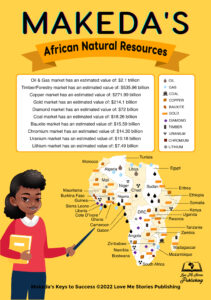
Do You Love Reading Creative Stories with African and African Diaspora themes?
Checkout our Diverse Children Books and Educational Products!
https://lovemestories.com/wholesale/
https://bit.ly/3OUqEt9
Makeda_Coloring_Pages & Prepare Your Child PDF
Checkout the Educational Companies We Work With
Join Our Email List
Connect With Us

https://www.instagram.com/love_me_stories1/