

By Mellisa Genfi
“Systems thinking without systems thinkers will change nothing.” Derek and Laura Cabrera
Table of Contents:
- Introduction
- Storytime: The Whole System
- The Importance of Systems Thinking
- Developing A Systems Thinking Mindset
- Ways to Develop A Systems Thinking Mindset
- Successful Systems That Changed the World
- Thinking in Systems to Set and Achieve Goals
- How to Build Effective Systems for Goal Setting
- Combining Growth Mindset With Systems Thinking
- Conclusion

Introduction
Have you ever wondered how systems work? Have you ever wondered what kinds of minds people used to build systems? The term used for this is a ‘systems thinker’. Educators, entrepreneurs, and scientists all agree that systems thinking is a valuable skill for today’s world, but why is it so needed? Teaching children to be systems thinkers can help them establish connections early on in life, helping them to understand how the world works. Can systems thinking help your child make better decisions for the future? Let’s explore how embracing this essential skill can benefit our children in the modern world.
Storytime: The Whole System
Jayden was a curious young man who loved fixing things. One day, his school garden kept drying up, and no one knew why. Instead of blaming the sun, Jayden decided to look at the whole system.
He asked, “Where does the water come from? How does it move? Who takes care of it?” He noticed the hose leaked, the soil drained too quickly, and no one had a watering schedule.
Jayden drew a map of the garden showing how everything connected: water, soil, plants, and people. He shared his plan to fix the hose, add mulch, and create a watering chart.
Within weeks, the garden thrived. His classmates were amazed.
Jayden smiled and said, “When you see how everything fits together, you can solve bigger problems.”
That day, he realised he wasn’t just fixing a garden, he was learning to be a systems thinker.
The Importance of Systems Thinking

Systems thinking is the skill of examining how things are interconnected, recognising patterns that shape how things work. The skill of systems thinking not only helps children learn the interaction of different elements, but it also helps them understand that the consequences of their choices are not isolated and can have a ripple effect. An example of this is a child spending all their pocket money on sweets, which not only affects their finances but also impacts their mood, health, and savings. This helps the child see things from different angles. Businesses rely on systems thinking to stay relevant and have a long-lasting impact in their industries. A perfect example is the company Bose, which developed headphones that cancel noise. It took over 20 years to bring it to the market. Bose would have needed a systems-thinking mindset, viewing the headphones holistically and considering many elements within the system to bring this idea to fruition.
Developing a Systems Thinking Mindset
Teaching systems thinking to children is very important, but first, you need to learn what a system is. According to Donella H. Meadows, a system is composed of three things: elements, interconnections, and functions.
- the elements, the individual things in the system,
- the interconnections, the relationship between the elements
- The purpose or function of what the system achieves
Introducing children to systems thinking at an early age helps them realise that problems are not always straightforward; instead, many issues are interconnected and part of larger, more complex systems. A great example of a system that is connected is the rainforest. When studying the rainforest system, you are not only analysing trees; you are also understanding the weather patterns, the soil, the animals, insects, and so much more. If one tree is cut down, what happens to the whole rainforest? A system thinker asks these types of questions, which are non-linear.
Ways to Develop a Systems Thinking Mindset
There are numerous benefits that systems thinking offers, from supporting children in their learning to decision-making and encouraging young ones to see beyond the surface level and tackle real-life issues. You can promote the system thinking mindset in the following ways:
- Ask your child about their interests, and explore how everything works and connects as part of a bigger system.
- Encourage your child to ask questions and raise their curiosity on multiple topics.
- Explain how most of the real-life activities, such as cooking, travelling, or working, are connected.
- Introducing your child to the concept of cause, effect, and reasoning to understand complex matters.
If you would like to encourage your child to become a systems thinker, check out these educational products. Click the links below:
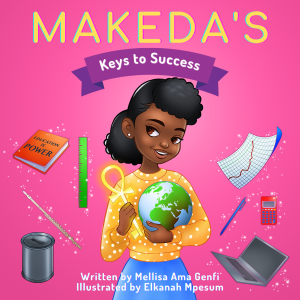


https://amzn.to/3vsPV7I https://amzn.to/4aFhlWW https://etsy.me/3WdkF6c

Successful Systems That Changed the World
Systems of Businesses have helped societies shape their perspectives. Here are the examples of successful systems that children can learn from:
Toyota: The Manufacturing Hub
Toyota, a Japanese automotive company that manufactures cars using a lean manufacturing system:
- Toyota identifies the customers’ value, understanding the customers’ needs.
- Look at the entire process from raw materials to delivery.
- Keep the workflow smooth, and arrange the machines in sequence
- Only make what customers ask for
- Keep constantly improving processes, products, and teamwork.
Toyota will not only consider building cars, but with a systems thinking mind, they will also consider:
- People: customers, families and workers.
- Environment: not wasting resources, protecting the planet.
- Suppliers: Working closely with parts makers.
- Understanding processes and technology.
- Consistently learning.
Encourage your child to consistently improve whatever they do; this habit will help create high-quality results over time.
YouTube – The Content Creation System
YouTube is one of the biggest content-creating online platforms. YouTube uses a 2 sided system:
Side 1: Content Creators
- Creators upload videos of their choice (entertainment, education, music, tutorials, etc.).
- Creators use titles, tags, thumbnails, and descriptions so videos are easy to find.
- Viewers watch, like, comment, and subscribe to their favourite channels. Engagement with a particular channel signals to YouTube that the video is valuable.
- Creators can turn on ads, memberships, or sponsorships to monetise content
More watch time + more engagement = more earnings.
Side 2: Viewers & Advertisers
- The YouTube algorithm suggests content based on a viewer’s interests and watch history.
The goal is to keep people watching what they enjoy. - Advertisers pay YouTube to show ads before/during videos.
Ads are matched to viewers’ interests for higher impact. - Ad revenue is split: most goes to creators, some goes to YouTube.
Viewers get free content, advertisers reach audiences, and creators get paid.
The YouTube system : Creators make better content, viewers watch more, advertisers invest more, creators earn more.
YouTube not only create systems for content creation, but they also have to consider that they are connected to content creation, such as:
- Technology & Infrastructure
- The Economy
- User Experience
- Policy and Compliance
Madam C.J. Walker’s Sales System
Madam C.J. Walker was an African American Entrepreneur and Philanthropist who was a self-made millionaire during the 20th century, and the founder of Madam C.J. Walker Manufacturing Company. Madam C.J. Walker’s company was established in 1910, selling hair care products to African American women. Check out her system:
- Making hair products: Madam C.J. Walker created hair care products that solved problems for Black women.
- Hire and train agents – She taught women in her community how to use the products and how to sell them.
- Direct sales – Her agents went door-to-door, at churches, salons, and community events, showing women how the products worked.
- Use manuals & standards – She gave her agents instructions (prices, how to treat customers, how to present the products) so everyone sold the same way.
- Build community – She held meetings and conventions where agents got awards, encouragement, and training.
- Advertise – She ran ads in Black newspapers with pictures and testimonials to attract new customers.
- Mail-order system – Customers could also order directly by mail if they weren’t near an agent.
Madam C.J Walker’s system: Factory: Train Agents: Agents sell directly: Ads & Mail Orders: Happy Customers.
As a systems thinker, Madam C.J. Walker had to also consider
- her market, the needs and problems of black women’s hair,
- prices she would set for her products for her customers to afford
- Teaching her customers how to care for their hair
- The distribution system
- The supply chain system: buying raw materials for products
- The Marketing system
- Social impact
Thinking in Systems To Set and Achieve Goals
 Image by Freepik
How to Build Effective Systems For Goal Setting
- Firstly, you must have the goal that you want your kid to achieve
- Once you’ve set your goal, divide it into smaller, manageable steps.
- Take a look at how things are going and tweak them if needed.
- Stay consistent and encourage your child as they work toward their goal.
Combining Growth Mindset With Systems Thinking
- Children are becoming confident learners.
- Will make an effort to work through complex problems and not avoid them
- Develop a deeper understanding of recognising patterns while continually making sense of how they fit together.
- Will be open to new ideas while creatively combining the ideas in a unique way
- Become more resilient, not being afraid of change, and learning to adjust to new situations.
Conclusion
Helping young children become systems thinkers equips them with the vital skills needed to tackle the complex challenges of today’s world. When your child can look at the whole picture of a situation, they begin to understand how one choice can have a ripple effect on many outcomes. Encouraging your child to understand how systems work, develop systematic habits to reach their goals, and embrace a growth mindset creates a powerful foundation for both academic and life success. Love Me Stories is dedicated to empowering children to be confident, tackle challenges head-on, and create solutions that shape a brighter future. Systems thinking is undoubtedly the skill to have for the 21st century.
 Mellisa is an Author and founder of Love Me Stories Publishing. She is a mother who is passionate about creating creative learning solutions for the 21st-century child.

Companies We Work With
Connect With Us